



Hopefulness for America Today
January 16, 2026
Stopping Sexual Abuse Is Within Our Power
March 20, 2026Equal Educational Opportunities for All Children
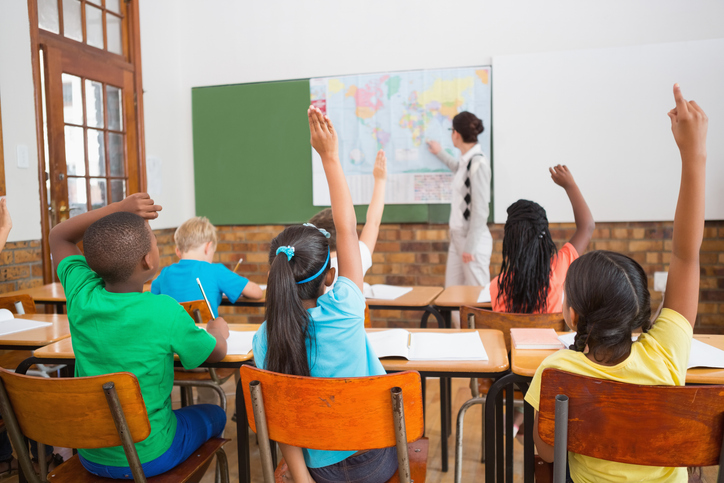
Skin color, racial stereotypes or upbringing should never stop our schools from providing equal educational opportunities for all children.
At the primary and secondary level, institutionalized racism is evident in many ways: how resources are allocated; how students are assigned to learning tracks and teachers; and how classrooms use a curriculum with a scarcity, or even worse, almost the complete absence of Black authors, inventors, scientists and the many other contributors to American history.
That is, until Black History Month rolls around where a few highlights are selected here and there.
Providing equal educational opportunities for all children must include not only dedicated and impartial teachers, but a complete and factual curriculum.
In 1954, with the victory of Brown vs. Board of Education, Blacks thought they had won the opportunity to receive a quality education. In 2026, more than 70 years later, not a whole lot has changed.
Schools are still very segregated. Too many Blacks and other minorities are not graduating — and are not leaving with a quality education when they do.
Providing Equal Educational Opportunities Requires Long Term Commitment
The looming question: At what point will schools across America get serious about providing equal educational opportunities for all children?
We see the negative results at the personal and societal level, year after year, decade after decade, generation after generation as a result of discriminatory practices in the classrooms.
Evidence abounds about how a poor-quality education impairs one’s ability to understand oneself, others, one’s environment in terms of culture, history, social mores and expectations.
Poor quality education impairs and limits one’s ability to make decent wages. Limited earning power directly impacts buying power. When buying power is hampered, it breeds and fosters other things: hopelessness, despair, and often resignation to a poorer quality of life. It also, too often, results in a life of crime.
A poor education breeds these vicious cycles that impact generation after generation. Only providing equal educational opportunities for all children will begin to break these debilitating cycles.
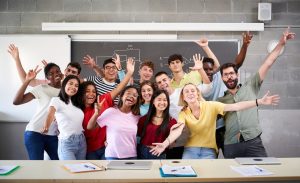
Equal Educational Opportunities for All Children (Carlos Barquero Perez/iStock Images)
We see the impact of an educational system that is failing our children every day when we drive around the neighborhoods and see lost faces, wandering souls on street corners, in alleyways, at store fronts.
Despite Being Denied Equal Educational Opportunities
We all know of children who come from dysfunctional families, so-called “bad-neighborhood” and simply oppressive environments, who find refuge and hope in the school and go on to apply themselves, become productive citizens, often achieve greatness and go on to break the cycle of poor education in their family.
This scenario may be the exception. But it can be the rule. It can happen more often than not if teachers and administrators are equipped and encouraged to provide equal educational opportunities for all children.
There are many areas in our public education system that need redress and meaningful change.
Is it because entrenched and inherent racism and all the enduring stereotypes, biases and prejudices keep decisions and policies that would improve most communities and peoples’ lives from being adopted and implemented?
That certainly appears to be the case.
Look at the conversations and policies governing your state legislature and the halls of Congress when it comes to ensuring that all of our children have an opportunity to get a quality education.
What do you see?
Focusing on providing equal educational opportunities for all children is what is needed.
Portions of this column appeared in The Missouri Independent.



Suggested Reading